Choosing a contractor to work on a project for your home can be stressful. You want to make sure you are choosing someone who is reliable and will do a great job. But it can be difficult sometimes to determine who will tick all the boxes and leave you feeling happy with the work.
While there are many factors to consider when it comes to working with a contractor in your yard or in your home, one non-negotiable should be choosing a licensed contractor.
Why choose a licensed contractor? A lot of reasons! Ultimately, going with a licensed contractor offers better protection for you and the people who are working on your home.
A Licensed Contractor Protects Homeowners
In the Kansas City area, local cities and municipalities have guidelines in place for a contractor to become officially licensed. In all the places where Bluebird Outdoors is licensed to work, we are also required to have an insurance policy in place.
That insurance is what protects homeowners from liability. If you are working with an unlicensed and uninsured contractor and there is an issue during the job – say someone gets hurt or there is damage to your property – then that is covered by your homeowner’s insurance. This means you could be financially responsible for any issues and see your premiums increase.
A licensed and insured contractor covers accidents and damage, meaning that you will not have to spend more time and money to fix an issue.
Contractors also pull permits for working on projects in and around your home. In some cities, it is a requirement that a permit is being pulled by a licensed contractor. If you have an unlicensed contractor work on your home without a permit, this could open you up to fines and violations from the city itself.
A Licensed Contractor is More Likely to Be Invested and Knowledgeable
Having a license doesn’t guarantee your contractor is going to be the highest quality, but it is an indicator that they are more likely to know what they are doing and care about the work.
In some areas, licensing requirements include additional steps and training. In Johnson County, for example, contractors need to complete extensive testing in order to get licensed and complete a certain amount of continuing education while they are licensed. This requirement means that contractors know about current codes, recent changes to codes, and anything required or ongoing in construction.
Someone who has to go through the process of becoming licensed and insured will also follow city and county regulations as their business will be the one liable for any mistakes that happen during a process. Let’s say a licensed contractor who needs an electrician or plumber to complete the work on your home. They are obligated to use a licensed and qualified electrician or plumber to complete that work. Their license is on the line!
An unlicensed and uninsured contractor is less likely to be up to date on regulations and follow them. And they are also less likely to remain in business long term.
How to Check if a Contractor is Licensed
It is always worth it to check to make sure that your contractor is licensed and insured. In the case of Bluebird Outdoors, we have a hard certificate of business license for each city and municipality we’re licensed in and can provide proof of it on request. If you make the request to see a license, and the contractor fights you on it, consider that a red flag! It doesn’t cost the contractor anything to carry these licenses and show them.
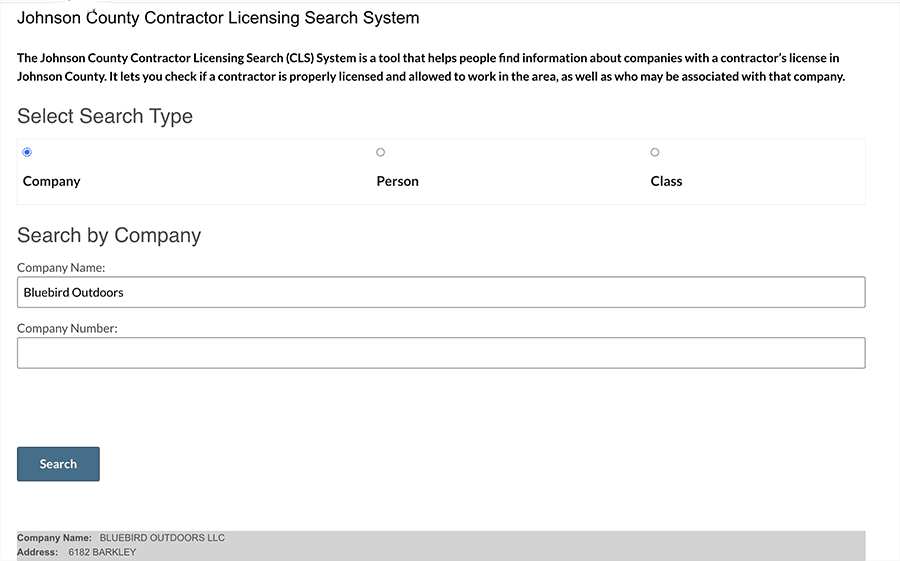
Also, beware of scams. We recommend looking at your city or municipality’s website or calling your city to double check that the contractor you are talking to has a valid license. In the case of people living in Overland Park, Lenexa, or anywhere else in Johnson County, there is a database online where you can search for licensed contractors.
A Quick Example: Deck Installation
Your contractor will pull all the permits you need to complete a project. But obtaining a permit isn’t the simple matter of filling out a form and submitting it.
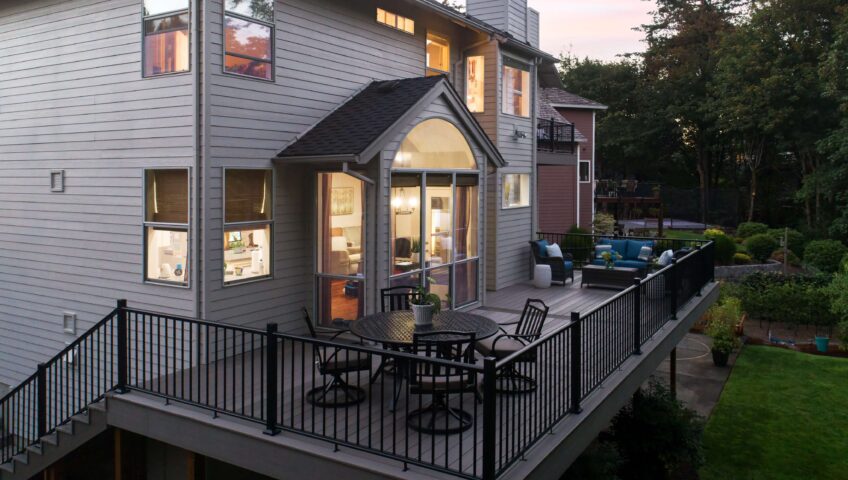
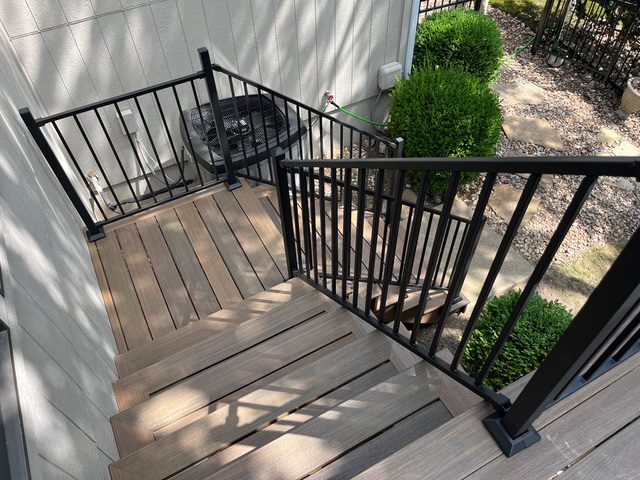
If you’re installing a new deck, then the contractor needs to submit drawings and all the paperwork that shows the deck works with city requirements. The drawing, for example, needs to show setbacks (how far off the property line the deck is). Or, in some cases, if the deck is close enough to the ground, a permit might not have to be pulled at all.
Because digging has to happen, the contractor will call the dig numbers and work with them to make sure no damage happens. Calling dig numbers is tied to insurance and failing to do due diligence on this front can lose a contractor their insurance (and then their license).
A licensed contractor is more likely to know what all these requirements are and work with the city to ensure all the proper permitting is in place. Otherwise you could run the risk of construction being halted or the city requiring that your new deck be torn out because it is too close to property lines.
The Bottom Line: Don’t Overlook the License
You will still want to ask questions about process, cost, and timeline when talking to contractors about projects that are going to be happening in and around your home. These questions are important, too.
But always remember to ask about a license. It will grant you peace of mind, protection on projects, and get you one step closer to a final result that you love.
If you’re in the process of looking for a contractor, here’s your friendly reminder that Bluebird Outdoors is licensed and insured. We can help with landscaping, decks, patios, walkways, retaining walls, drainage, and just about anything you could need in your yard. Don’t be afraid contact us if you have any questions about licensing or anything else!